Imagine having not just one, but two living rooms to jump into. It’s like doubling your comfort without the space limitations. With some clever thinking and a sprinkle of creativity, transforming your home into a spacious paradise is entirely achievable. Buckle up as we traverse through the world of dual living rooms, where style and functionality merge harmoniously. Whether you want to impress guests or just enjoy a cozy family movie night, having two living spaces is not just a luxury, it’s a lifestyle choice.
Understanding the Concept of Dual Living Rooms
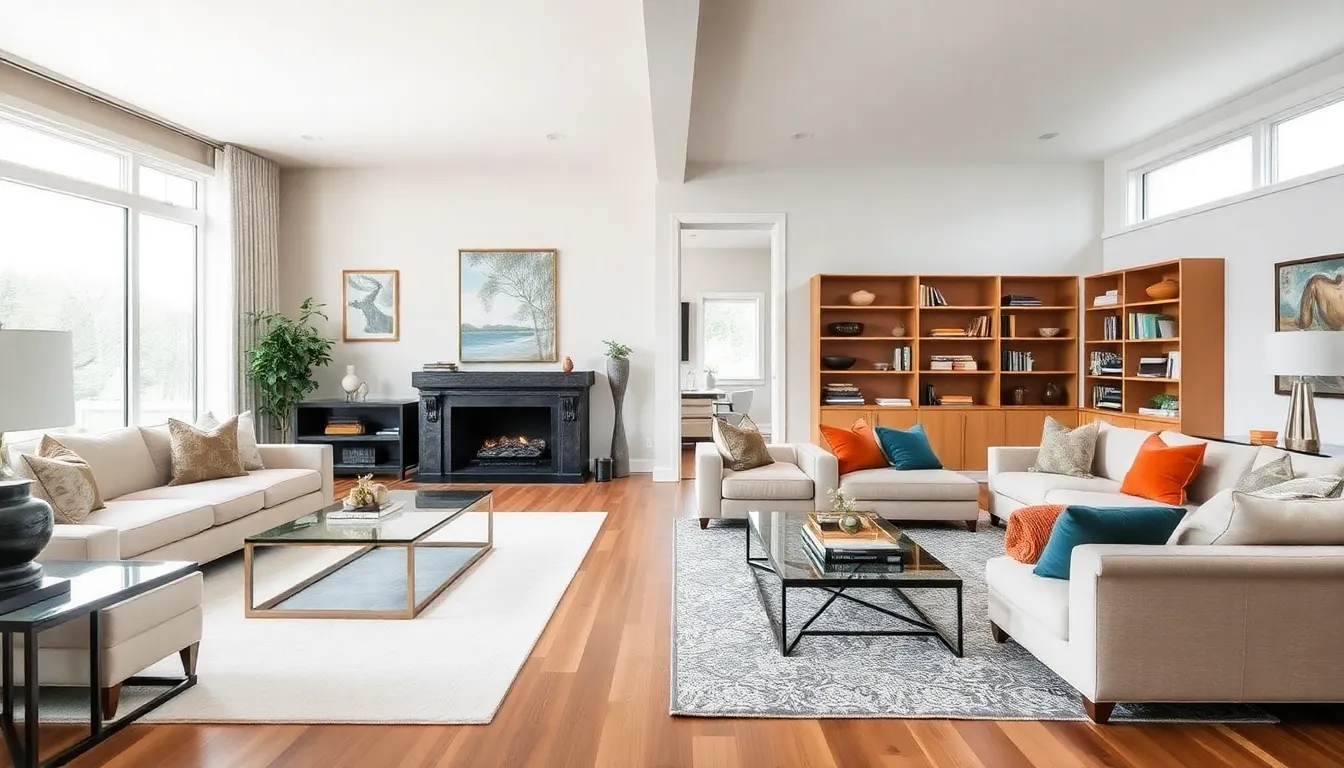
The concept of dual living rooms is becoming increasingly popular among homeowners. This design approach involves using two distinct living areas within the same home to serve different purposes. Typically, these spaces can be tailored for relaxation, entertainment, or family gatherings. For example, one room might be more formal, perfect for hosting guests, while the other serves as a casual hangout spot for family.
Separating these spaces allows for versatility in design and function. It’s about creating harmony and balance within your home, giving every member of the family a place to unwind and enjoy.
Benefits of Having Two Living Rooms
Having two living rooms comes with a plethora of benefits. First and foremost, flexibility reigns supreme. Each area can cater to different activities or moods. Maybe one room is the go-to for movie nights, while the other serves as a quiet reading nook or entertaining space for guests. This separation can lead to fewer arguments over how the space should be used.
Also, dual living rooms can significantly enhance your home’s value. Potential buyers often see additional living space as a positive attribute, making your house stand out in the real estate market. Finally, the aesthetic appeal cannot be overlooked. Two well-designed rooms create a dynamic that enhances the overall feel of a home.
Design Ideas for Each Living Room Space
To truly maximize the potential of dual living rooms, thoughtful design is crucial.
Functional Layouts for Dual Living Rooms
Considering how each room is utilized is key to achieving functionality. An open layout promotes communication and interaction, great for gatherings. On the other hand, a more divided layout offers privacy for those who seek solitude.
Creating Distinct Ambiances
Crafting different atmospheres in each room can significantly enhance their individuality. For instance, the more formal living room might feature elegant furniture and subdued colors that evoke sophistication, while the casual space could embrace bright colors and cozy furnishings, encouraging relaxation.
Choosing Complementary Color Schemes
Color plays a critical role in the design process. Selecting complementary hues can create a stunning visual connection between the two rooms, enhancing the overall flow of the space. Soft neutrals in one room paired with vibrant accent colors in the other can achieve an eye-catching balance.
Furnishing Tips for Twin Spaces
Furnishing dual living rooms requires a delicate touch. It’s important to maintain a cohesive style across both spaces while allowing each to have its unique flair. Opt for similar furniture styles or materials to create a cohesive look. For instance, if your formal living room has a classic leather sofa, consider a similar fabric sofa for the casual room but with a more relaxed design.
Also, selecting multifunctional furniture can enhance usability. Ottomans that double as storage, or coffee tables with adjustable heights, promise more flexibility in each space. Remember, the goal is to blend comfort with practicality.
Incorporating Technology in Dual Living Rooms
In the modern home, technology plays a significant role in the design and functionality of living spaces. Whether it’s smart lighting systems or integrated sound systems, technology can enhance the living room experience. Consider installing a media system in the casual living room for movie nights, while the formal space could embrace a minimalist approach, featuring discreet technology.
Smart home devices can also be used to control lighting, temperature, and security systems, allowing both rooms to maintain a cozy atmosphere with ease. It’s all about creating spaces that not only look good but feel good, too.