Ever found yourself dreaming of creating something spectacular from scratch? Shop projects are your golden ticket to turning that dream into reality. Picture this: you, covered in sawdust, surrounded by tools, and crafting something amazing. It’s messy, it’s fun, and best of all, it’s productive. Jump into the world of DIY and discover the joy and satisfaction that comes with tackling shop projects. Whether you’re looking to build a birdhouse or a coffee table, there’s always room for creativity in your life. Here’s your guide to making the most of those weekend hours in the workshop, all while having a few laughs along the way.
What Are Shop Projects?
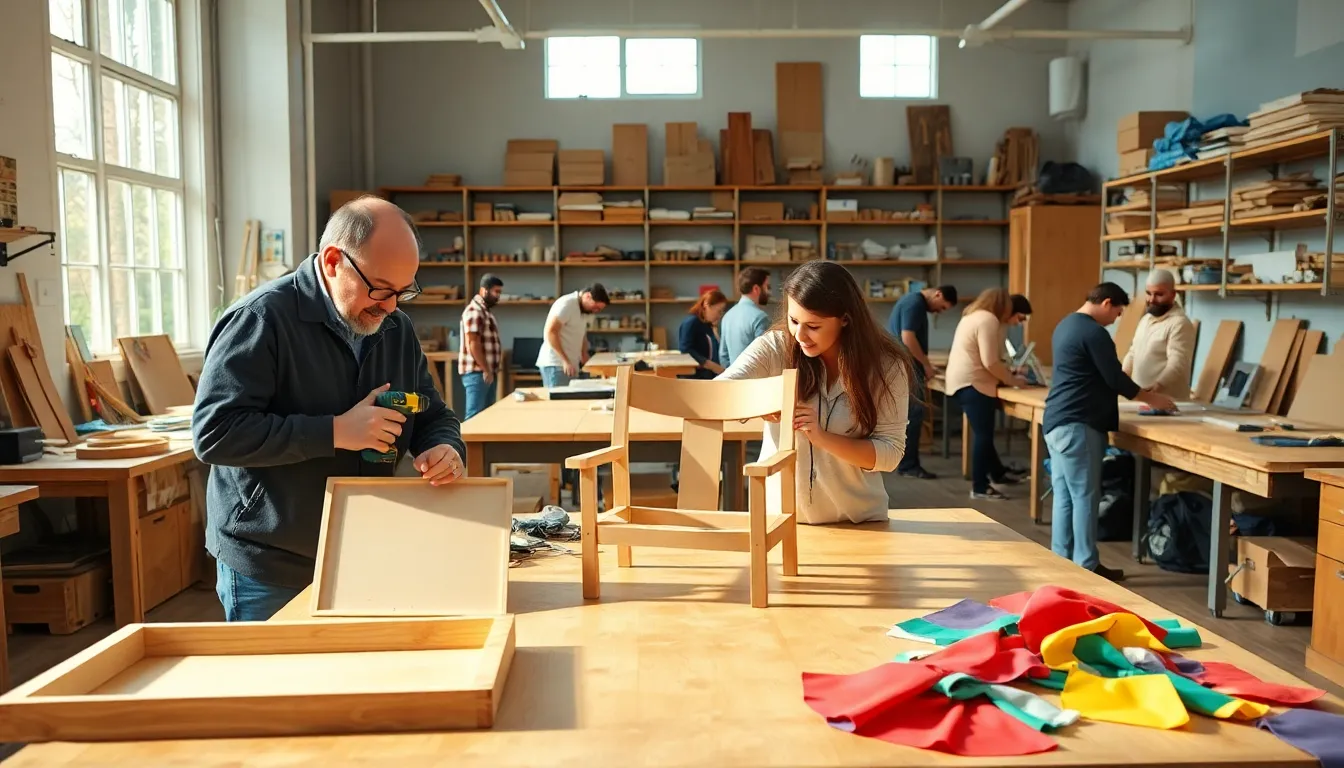
Shop projects refer to any hands-on activities that involve crafting or building something. These can range from small-scale endeavors like picture frames to larger tasks such as furniture or even garden structures. At their core, shop projects are about transforming raw materials, like wood, metal, or fabric, into functional or decorative items. They engage creativity, require some level of skill, and often involve planning, measuring, and design work.
Shop projects can be done alone or enjoyed with friends and family, turning mundane tasks into collaborative adventures. They provide a structured way to learn new skills, express creativity, and eventually, create something tangible at the end of the day.
Benefits of Undertaking Shop Projects
Undertaking shop projects comes with a plethora of benefits that go beyond just the finished product. Here are some of the key perks:
- Skill Development: Engaging in hands-on work hones various skills like woodworking, sewing, or metalwork. As individuals tackle different projects, they become adept at problem-solving and critical thinking.
- Creativity Boost: There’s nothing like the thrill of designing something from scratch. Shop projects ignite creativity, allowing individuals to express themselves artistically.
- Stress Relief: Therapeutic and satisfying, working with your hands offers a break from the daily grind. Focusing on constructing something tangible can significantly reduce stress.
- Personal Satisfaction: Completing a project provides a sense of accomplishment. There’s a unique joy in creating something that you can take pride in.
- Cost Savings: Rather than buying a new piece of furniture or decor, creating it yourself can save money, and it’s often more personalized.
Types of Shop Projects
Shop projects can be categorized in several ways, depending on materials, complexity, and end goals. Here’s a quick rundown:
- Woodworking Projects: These encompass everything from basic shelves to elaborate furniture sets. Woodworking allows for immense creativity, offering endless design possibilities.
- Metal Fabrication: For those interested in more industrial flair, working with metal can lead to unique outcomes, from garden art to durable furniture pieces.
- Textiles and Sewing: Sewing projects can vary from simple quilts to intricate garments. Crafting with fabric opens up a world of customization.
- Upcycling Projects: Turning old items into something new is not only environmentally friendly but also encourages resourcefulness. Think of transforming a discarded pallet into a stunning coffee table.
- Electronics and Robotics: For tech-savvy individuals, integrating electronics into projects offers an exciting challenge, whether it’s building a remote-controlled gadget or a smart home device.
Getting Started: Tools and Materials Needed
Before diving into any project, it’s essential to gather the right tools and materials. Here’s a standard checklist for beginners:
Essential Tools:
- Measuring Tools: A tape measure and a square are crucial for precision.
- Cutting Tools: Depending on the material, you might need a saw (hand saw, circular saw, etc.).
- Drill: A power drill is useful for making holes and driving screws.
- Sanding Tools: Keep your projects smooth with sanders or sandpaper.
- Safety Gear: Don’t forget goggles and gloves to protect yourself while working.
Common Materials:
- Wood: Plywood, hardwood, or MDF are great starting points.
- Fasteners: Screws, nails, and glue are essential for assembly.
- Finishing Materials: Stains, paints, and sealants help to give your project that polished look.
Having a well-organized workshop with good tools can make all the difference.
Step-By-Step Guide to a Simple Shop Project
Here’s a simple guide to creating a basic wooden shelf, a perfect project for beginners:
Materials Needed:
- 2 wood boards (for the shelf)
- 2 vertical supports
- Screws or brackets
- Sandpaper
- Paint or stain (optional)
Instructions:
- Design Your Shelf: Decide on the dimensions and sketch a quick design. Planning is key.
- Cut the Wood: Measure and mark the boards before cutting them to your desired length.
- Sand the Edges: Smooth out the edges with sandpaper to avoid splinters.
- Assemble: Attach the vertical supports to the wall using screws or brackets, then affix the shelf on top.
- Finishing Touches: Paint or stain for a polished look, allowing it to dry completely before using.
And just like that, you’ve turned a few pieces of wood into a beautiful and functional shelf.
Safety Tips for Shop Projects
Safety is paramount when undertaking shop projects. Avoiding accidents ensures a smoother and more enjoyable crafting experience. Here are some essential safety tips:
- Wear Protective Gear: Goggles, gloves, and appropriate footwear can prevent injuries and keep you safe.
- Work in a Well-Ventilated Area: Especially when dealing with paints or stains, good ventilation is crucial.
- Keep Tools in Good Condition: Regularly check and maintain tools to prevent malfunctions while working.
- Read Instructions Carefully: Whether it’s a tool or project guide, understanding what to do before starting can save a lot of headaches.
- Take Breaks: Prolonged work can lead to fatigue and increase the risk of accidents. Take breaks to stay alert.