Imagine walking into a cozy space where history meets comfort, where every piece of furniture tells a tale. Traditional living rooms evoke nostalgia, bringing warmth and elegance into modern lives. With their intricate designs and classic elements, these rooms invite you to sit back, relax, and savor life’s simplest pleasures. In this text, we’ll explore the charm of traditional living rooms, jump into key elements that define them, and even discover how to blend in modern touches without losing their classic appeal. Buckle up for an aesthetic journey that promises to inspire anyone wanting to infuse their home with a sense of timelessness.
Understanding Traditional Living Room Design
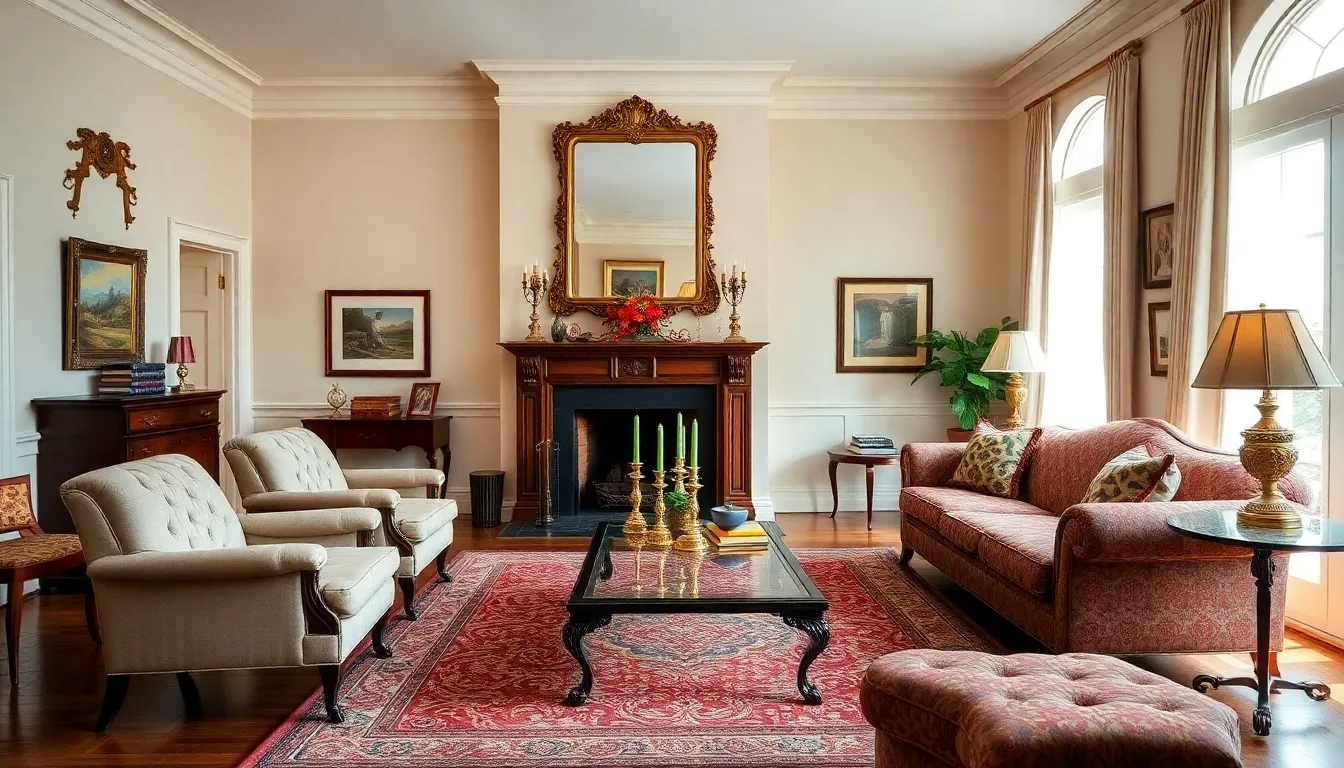
Traditional living room design sits at the intersection of comfort and sophistication. Originating centuries ago, these designs celebrate craftsmanship and the use of quality materials. Each room unfolds a story, often reflecting the cultural nuances of the time when it was designed.
At the core, traditional living rooms embody a sense of symmetry and balance. These spaces often feature a central focal point, such as a fireplace or large window, around which furniture is arranged. Layers of texture, rich fabrics, and intricate patterns enhance the visual elegance. From ornate ceiling moldings to the curated selection of artworks displayed on the walls, each detail contributes to the overall ambiance, making the space not just a room but an experience.
It’s interesting to note that traditional designs adapt over time, yet they remain grounded in their classic roots. While newer styles may lean toward minimalist aesthetics, traditional living rooms maintain a cozy clutter that invites comfort and familiarity.
Key Elements Of Traditional Living Rooms
Several key elements define traditional living rooms, each contributing to their enduring appeal:
- Classic Furniture: Pieces like overstuffed sofas and wingback chairs create a welcoming atmosphere. Upholstered in rich fabrics, these furnishings often feature intricate carvings and bold patterns that add depth and character.
- Warm Color Palettes: Earthy tones, deep hues, and soft pastels dominate these spaces. They cultivate a warm, inviting environment, contrasting sharply with stark modern designs.
- Layered Textiles: From luxurious drapes framing windows to ornamental rugs underfoot, textiles play a crucial role. They not only add warmth but also bring a sense of depth and complexity to the visuals.
- Architectural Details: Architectural elements like crown moldings, wainscoting, and coffered ceilings are hallmarks of traditional design, elevating a simple living room into a grand space.
- Art and Accessories: Traditional living rooms often showcase pieces of art, classic sculptures, and assorted collectibles. These personal touches resonate with the homeowner’s story, adding uniqueness to the space.
Regional Variations In Traditional Living Room Styles
Traditional living room styles can vary significantly across regions, reflecting local histories and cultural influences:
- American Colonial: Characterized by simplicity and functionality, American Colonial living rooms often feature dark woods, comfortable seating, and an emphasis on practicality. This style celebrates craftsmanship with handmade furniture and timeless charm.
- European Traditions: European traditional living rooms often exhibit ornate details and craftsmanship. For example, French styles may incorporate intricate furniture with curvy lines and lavish silk fabrics. In contrast, British traditional rooms might lean towards a more subdued elegance, favoring plaid textiles and dark, leafy palettes.
- Asian Influence: In Asian-inspired traditional living rooms, serenity reigns supreme. Minimalistic furniture, a harmonious color scheme, and subtle decor reflect cultural values, prioritizing tranquility and nature-inspired designs over surplus ornamentation.
These regional variations highlight how traditional living room styles are not just about aesthetics: they are a reflection of cultural heritage and ways of life.
Incorporating Modern Touches Into Traditional Designs
Combining modern elements with traditional living room designs brings freshness while honoring classic roots. Here are a few ideas to consider:
- Modern Lighting: Eye-catching light fixtures, like chandeliers or contemporary lamps, can add flair without overwhelming the existing decor. Choose pieces that offer a contrast, creating visual interest while lighting up the space.
- Neutral Color Accents: Introduce neutral or monochromatic shades through accessories or small furniture items to provide balance within the traditional palette. This allows for a contemporary flair while keeping the room grounded in its traditional essence.
- Streamlined Furniture: Incorporate a few sleek modern pieces to counterbalance the heavier traditional furnishings. For instance, a minimalist coffee table can contrast beautifully with an ornate sofa.
- Mixed Textures: Blend traditional textiles with modern materials, such as leather or metal accents. Throw pillows in geometric patterns married with classic floral designs create a dynamic interplay of old and new.
Employing these strategies allows homeowners to pay homage to tradition while still reflecting contemporary tastes.
Tips For Styling A Traditional Living Room
Styling a traditional living room can feel daunting, but a few tips can help streamline the process:
- Establish a Focal Point: Start by determining the central piece in the room, often a fireplace or artwork, and arrange furniture to draw attention to it.
- Balance Furniture Layout: Ensure that the layout feels balanced. Grouping furniture in small, conversational clusters encourages interaction while maintaining a sense of harmony.
- Add Layers: Mix various textures using rugs, throws, and cushions to create a inviting environment. A plush area rug under a coffee table, for example, can anchor the space beautifully.
- Incorporate Personal Touches: Personalize the room with family photos, travel souvenirs, or heirloom pieces. Showing personality is essential within a traditional framework.
- Choose Appropriate Lighting: Whether through chandeliers or table lamps, effective lighting accentuates design features and elevates mood.