Melbourne homes face unique cleaning challenges. The city’s unpredictable weather cycles, sudden storms followed by dusty dry spells, leave windows streaked, carpets embedded with grit, and mold creeping into bathroom grout. Standard weekly cleaning tackles surface clutter and visible dirt, but it doesn’t touch the buildup accumulating behind appliances, inside vents, or along baseboards. That’s where deep cleaning comes in. Whether preparing for a property inspection, recovering from a renovation, or simply hitting the reset button on household grime, professional deep cleaning services offer a level of thoroughness that most homeowners can’t match with a mop and a Saturday afternoon.
Table of Contents
ToggleKey Takeaways
- Deep cleaning services in Melbourne address climate-specific challenges like mold, salt spray, and dust buildup that regular cleaning cannot handle.
- Professional deep cleaning typically costs $300–$700 for a standard three-bedroom home, with add-on services like carpet steam cleaning and window washing available.
- Reputable deep cleaning services should have public liability insurance (minimum $10 million), detailed written quotes, and crew sizes appropriate to your home’s size (at least two cleaners for 4–6 hours).
- Melbourne homeowners should schedule deep cleans before lease end, after renovations, or seasonally in spring and autumn to prevent mold and allergen accumulation.
- While DIY deep cleaning is possible with rented equipment, professionals bring commercial-grade tools like HEPA vacuums and high-temperature steam cleaners that deliver superior results and save time.
What Are Deep Cleaning Services and Why Do Melbourne Homes Need Them?
Deep cleaning goes well beyond routine maintenance. It’s a systematic, top-to-bottom scrub that targets areas regular cleaning misses or glosses over. Think scrubbing grout with a brush and disinfectant, degreasing range hood filters, vacuuming refrigerator coils, washing window tracks, and steam-cleaning upholstery.
Melbourne’s climate adds extra pressure. Humidity spikes during spring and summer encourage mold growth in bathrooms, laundries, and poorly ventilated kitchens. Coastal suburbs deal with salt spray that leaves windows cloudy and corrodes fixtures. Inner-city apartments collect fine particulate dust from traffic and construction. Without periodic deep cleaning, allergens accumulate, surfaces degrade faster, and homes start to feel dingy no matter how often you vacuum.
Most services break the job into zones: kitchens (oven interiors, behind appliances, cabinet fronts), bathrooms (tile grout, showerheads, exhaust fans), living areas (baseboards, light fixtures, upholstery), and bedrooms (mattresses, wardrobes, window treatments). It’s labor-intensive work that can take a team four to eight hours depending on property size and condition.
What to Expect from Professional Deep Cleaning Services in Melbourne
A reputable deep cleaning service will walk through your property beforehand, either in person or via photos, to assess scope and provide a detailed quote. They’ll ask about problem areas: stubborn stains, pet odors, high-traffic zones, or specific allergens.
On cleaning day, expect a crew of two to four people equipped with commercial-grade tools: HEPA-filter vacuums, steam cleaners, microfiber cloths, and eco-friendly or Australian-standard cleaning agents. They’ll bring their own supplies unless you specify otherwise (some clients prefer fragrance-free or certified green products).
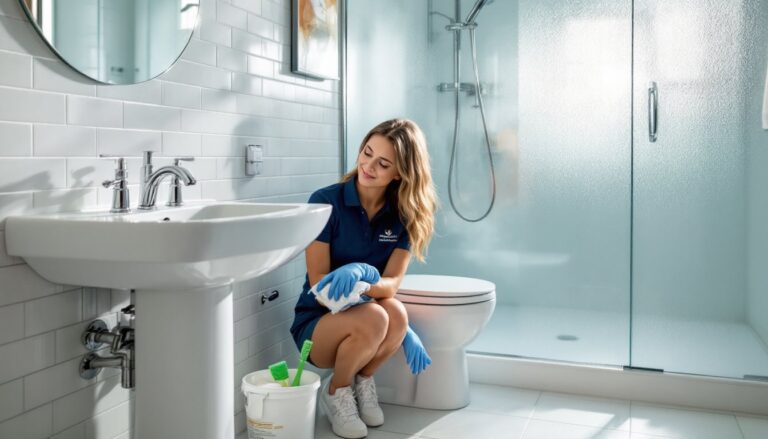
The process typically starts high and works down, dusting ceiling fans and light fixtures first, then scrubbing walls and surfaces, and finishing with floors. Kitchens get special attention: oven interiors are degreased, rangehood filters soaked, and splashbacks scrubbed. Bathrooms receive mold treatment on grout lines, limescale removal from showerheads and taps, and exhaust fan cleaning.
Many professional house cleaning services in Melbourne now offer add-ons like carpet steam cleaning, window washing (inside and out), and blind or curtain treatment. Some use UV sanitization for mattresses and soft furnishings, a plus for allergy sufferers.
Expect the job to take four to eight hours for a standard three-bedroom home. Larger properties or homes with heavy buildup may require a full day or multiple visits.
How Much Does Deep Cleaning Cost in Melbourne?
Pricing varies widely based on property size, condition, and service inclusions. As of 2026, typical rates in Melbourne range from $300 to $700 for a standard three-bedroom house. Larger homes, multi-story properties, or those requiring extra attention (post-renovation cleanup, heavy mold remediation) can push costs to $1,000+.
Most companies charge either a flat rate or an hourly rate (usually $40 to $60 per cleaner per hour). Flat rates offer predictability but may not account for unexpected issues like extensive grout staining or heavily soiled carpets. Hourly billing gives flexibility but can blow budgets if the job takes longer than estimated.
According to cost guides on platforms like HomeAdvisor, add-on services increase totals: carpet steam cleaning adds $100 to $200, window washing (interior and exterior) adds $150 to $300, and oven deep-cleaning alone can run $80 to $150.
Be wary of rock-bottom quotes. Companies cutting corners may use harsh chemicals, skip detailed work, or lack proper insurance. Always confirm what’s included: do they move furniture? Clean inside cupboards? Treat mold? A detailed price list helps avoid surprises.
Seasonal demand affects pricing too. Pre-Christmas and end-of-lease periods (March, June, December) see higher rates and limited availability. Booking mid-year or during quieter months can save 10% to 15%.
Choosing the Right Deep Cleaning Service for Your Melbourne Home
Start by checking credentials. Look for companies with public liability insurance (minimum $10 million coverage) and workers’ compensation for their crew. This protects you if someone’s injured on your property or if damage occurs during cleaning.
Read reviews on Angi and Google, but focus on detailed feedback rather than star counts. Look for mentions of punctuality, thoroughness, and how the company handles complaints. A pattern of rushed jobs or missed areas is a red flag.
Ask about cleaning products. Eco-conscious clients should confirm the company uses non-toxic, biodegradable agents certified to Australian standards. If anyone in your household has asthma or chemical sensitivities, request fragrance-free options and HEPA filtration during vacuuming.
Get written quotes from at least three providers. The quote should itemize tasks (e.g., “scrub all bathroom grout,” “degrease oven interior,” “steam-clean lounge suite”) rather than vague promises like “thorough clean.”
Check if they offer guarantees. Some companies provide a 24- or 48-hour callback if you’re not satisfied with specific areas. This shows they stand behind their work.
Finally, confirm crew size and estimated time. A solo cleaner tackling a four-bedroom house in three hours won’t deliver deep-cleaning results, it’s physically impossible. Expect a minimum of two cleaners for four to six hours for a standard home.
DIY Deep Cleaning vs. Hiring Professionals: What’s Best for You?
DIY deep cleaning is doable if you’ve got time, the right tools, and realistic expectations. You’ll need a steam cleaner (rent one for about $50/day if you don’t own), a wet-dry vacuum, microfiber cloths, grout brushes, and quality cleaning agents (degreaser, mold remover, descaler). Budget a full weekend, Saturday for kitchens and bathrooms, Sunday for living areas and bedrooms.
The upside: you control products, pace, and focus areas. The downside: it’s physically demanding. Scrubbing tile grout on hands and knees, moving appliances, and reaching high fixtures wears you out fast. Most people underestimate the time required and end up with half-finished jobs.
Professionals bring efficiency and equipment you won’t own. Commercial steam cleaners reach higher temperatures (killing more bacteria), HEPA vacuums capture finer particles, and extension tools access vents and ceiling fans without ladders. They also know which products work on specific surfaces without damage, using the wrong cleaner on natural stone benchtops or sealed timber floors can cause costly harm.
DIY makes sense for maintenance between professional cleans or if budget’s tight and you have strong knees and a free weekend. Hiring pros is worth it for move-out situations, post-renovation cleanup, or if you’re physically unable to handle the work. Some tasks, like mold remediation beyond surface cleaning or dealing with exterior grime, genuinely need professional-grade equipment and expertise.
When to Schedule a Deep Clean for Your Melbourne Property
End-of-lease cleaning is the most common trigger. Rental agreements typically require properties returned in the same condition as move-in (minus normal wear). Bond recovery often hinges on a professional clean, especially for carpets, ovens, and window tracks. Book at least two weeks before your lease ends, slots fill fast during peak moving months.
Post-renovation or construction is another smart time. Builders leave fine dust that settles everywhere, inside light fixtures, on window sills, coating carpets. Regular vacuuming doesn’t cut it: you need HEPA filtration and damp-wiping to capture particulates.
Seasonal resets help maintain homes year-round. Schedule a deep clean in spring (after pollen season and before humidity spikes) and autumn (after summer’s heat and before winter’s dampness). This keeps mold, allergens, and grime from compounding.
Pre-sale preparation maximizes property appeal. According to research shared on ImproveNet, clean homes photograph better and show more favorably during inspections. Grout that’s white instead of gray, windows without streaks, and odor-free carpets make a measurable difference.
If someone in your household has allergies or asthma, consider deep cleaning every six months. Dust mites, pet dander, and mold spores accumulate even in well-maintained homes, and periodic deep cleans reduce triggers more effectively than weekly surface cleaning alone.
Conclusion
Deep cleaning isn’t glamorous, but it’s essential for maintaining a healthy, functional home in Melbourne’s demanding climate. Whether tackling it yourself or hiring a crew, the key is understanding what’s involved, budgeting realistically, and scheduling it before problems compound. A properly deep-cleaned home doesn’t just look better, it lasts longer, feels fresher, and gives you one less thing to worry about.