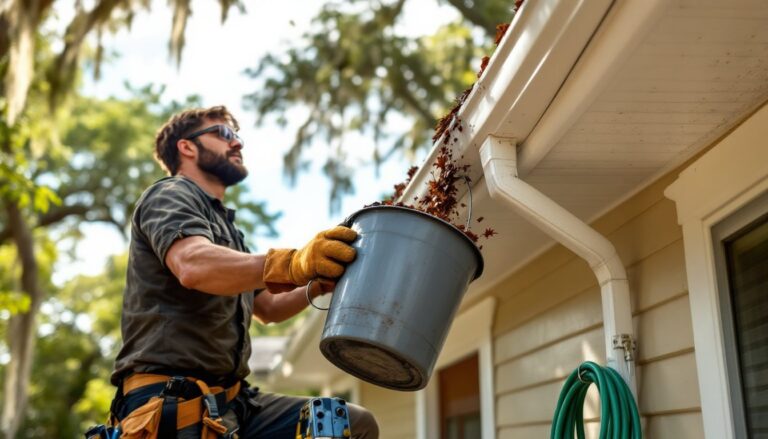
Oakland’s mix of dry summers and wet winters creates a unique challenge for gutter systems. When rainy season hits between November and March, clogged gutters can send thousands of gallons of water cascading down siding, pooling around foundations, and turning crawl spaces into disaster zones. But here’s the thing, most homeowners only think about gutters when water’s already pouring over the edge during a storm. By then, the damage is underway. Whether someone’s tackling the job themselves or calling in pros, understanding Oakland’s specific gutter needs can save serious money and headaches down the line.
Table of Contents
ToggleKey Takeaways
- Gutter cleaning Oakland should occur twice yearly—in late October before rainy season and early April after rainfall ends—to prevent foundation damage, roof rot, and pest infestations that cost thousands in repairs.
- Oakland’s clay-heavy soils expand when wet, creating hydrostatic pressure that can crack foundations costing $4,000–$15,000 if clogged gutters allow water to pool near the foundation.
- DIY gutter cleaning requires proper ladder safety techniques, including a second person for stabilization and maintaining 10 feet clearance from power lines to prevent electrical hazards and falls.
- Professional gutter cleaning services in Oakland cost $120–400 depending on home size and typically include minor repairs, debris removal, and downspout flushing that most homeowners lack equipment to perform.
- Installing gutter guards, trimming overhanging branches 6 feet from the roof, and sealing gutters every 3–5 years significantly extend time between cleanings and prevent expensive structural damage.
- Watch for warning signs like water dripping behind gutters, sagging sections, visible cracks, or plant growth, which indicate gutter problems have escalated beyond routine maintenance.
Why Gutter Cleaning Matters for Oakland Homeowners
Oakland sits in a microclimate zone where eucalyptus, oak, and redwood trees drop debris year-round, not just in fall. This constant rain of leaves, seed pods, and twigs creates a layered sludge in gutters that blocks water flow even when it looks manageable from the ground.
When gutters overflow, water doesn’t just disappear. It saturates soil against the foundation, which is a problem in Oakland’s clay-heavy soils that expand when wet. That expansion creates hydrostatic pressure against basement walls and can crack foundations over time. The average foundation repair in the Bay Area runs $4,000–$15,000, depending on severity, far more than routine gutter maintenance.
Clogged gutters also create ice dams in Oakland’s hillside neighborhoods where temps occasionally drop near freezing overnight. Water backs up under shingles, rotting roof decking and creating interior leaks. Replacing damaged OSB roof sheathing (oriented strand board, typically 7/16″ thick) plus shingles averages $8–12 per square foot installed.
Then there’s pest habitat. Standing water in gutters becomes a mosquito breeding ground within days, while damp organic matter attracts carpenter ants, termites, and roof rats, all common in Oakland. Rodents can chew through soffit vents and enter attics, requiring both pest control and structural repairs.
When to Clean Your Gutters in Oakland’s Climate
Timing matters more than frequency. In Oakland, clean gutters twice annually minimum: once in late October before rainy season begins, and again in early April after the last significant rains and when tree pollination wraps up.
Homeowners near heavy tree cover, especially eucalyptus or redwoods in the hills, should inspect monthly during wet months. Eucalyptus bark strips peel year-round and create fiber mats that block downspouts even when leaf volume seems low.
Watch for early warning signs between cleanings. If water drips behind gutters during light rain, or if downspouts barely trickle during a storm, debris is already restricting flow. Green algae streaks on siding below gutter lines indicate chronic overflow from improper drainage.
Spring cleaning often reveals winter damage: loose gutter spikes (the long nails that penetrate fascia boards into rafter tails), separated seams at mitered corners, or sagging sections where hidden hangers have pulled free from the fascia. These issues worsen quickly once identified, so address them during the April cleanout before next season.
DIY Gutter Cleaning: Tools and Step-by-Step Process
Materials and Tools Needed:
- Extension ladder (fiberglass recommended for stability: must extend 3 feet above gutter line)
- Gutter scoop or garden trowel
- 5-gallon bucket with S-hook for hanging on ladder
- Garden hose with spray nozzle
- Plumber’s snake (¼” diameter, 25-foot length for downspout clogs)
- Drop cloths to protect landscaping
- Work gloves (leather or synthetic with grip palms)
Step-by-Step Process:
-
Position the ladder safely. Set it on firm, level ground. Use ladder stabilizers (wing-shaped brackets) to span the gutter opening and distribute weight on the fascia rather than crushing the gutter trough itself. Never lean a straight ladder directly against gutters.
-
Remove large debris by hand. Starting at a downspout, scoop out leaves, twigs, and sludge into the bucket. Work in 3–4 foot sections, moving the ladder frequently rather than overreaching. Overreaching causes 80% of ladder falls.
-
Flush remaining material toward downspouts. Use the garden hose to push smaller particles toward outlets. If water pools instead of draining, there’s a clog.
-
Clear downspout blockages. Disconnect the elbow at the top of the downspout (usually held by two sheet metal screws). Feed the plumber’s snake down from the top, or spray water up from the bottom. Stubborn clogs may require disassembling sections, downspouts typically connect with crimped joints that pull apart with firm twisting.
-
Inspect gutter pitch and hardware. Gutters should slope ¼” per 10 feet toward downspouts. Hold a 4-foot level along sections to check. Tighten any loose ferrules (the tubes inside gutter spikes that prevent crushing) or consider upgrading to hidden hangers, which attach to the fascia every 24 inches and don’t penetrate the gutter front.
-
Check for leaks and damage. Run water through cleaned sections and watch seams, end caps, and corners. Small leaks can be patched with gutter sealant (butyl rubber or polyurethane-based, not silicone, which doesn’t adhere well to wet metal). Larger holes or rust-through sections need replacement, K-style aluminum gutter costs $3–5 per linear foot at home centers.
Essential Safety Tips for Cleaning Gutters
Personal Protective Equipment (PPE):
- Safety glasses or goggles (debris falls toward your face when scooping)
- Work gloves to protect from sharp metal edges and bacterial contamination in gutter sludge
- Non-slip footwear with ankle support
- Dust mask or respirator if gutters contain dried bird droppings (histoplasmosis risk)
Ladder Safety:
Always have a second person nearby to stabilize the ladder and call for help if needed. Don’t clean gutters in wet or windy conditions, damp ladder rungs and gusting wind both increase fall risk significantly. For two-story homes or steep roof pitches above 6/12, hiring professionals eliminates the fall hazard entirely. According to seasonal maintenance guides, falls from ladders account for thousands of ER visits annually during gutter cleaning season.
Electrical Hazards:
Before starting, identify overhead power lines and maintain at least 10 feet of clearance. Aluminum and fiberglass ladders both conduct electricity if they contact live wires. If gutters run near the service drop (the overhead line from the utility pole), call professionals with insulated equipment.
Signs Your Gutters Need Immediate Attention
Some symptoms indicate gutters have moved beyond routine maintenance into urgent repair territory.
Visible sagging or pulling away from fascia: This means hangers have failed or the fascia board itself is rotting. Tap the fascia with a screwdriver, if it sinks in easily, the 1×6 or 1×8 fascia board (actual dimensions ¾” × 5½” or ¾” × 7¼”) needs replacement before new gutters can be secured. Rot often spreads to rafter tails, requiring structural carpentry.
Water stains on siding or soffit: Indicates overflow or leaks behind the gutter. Check for separated seams or missing end caps. Water running down siding promotes wood rot and paint failure within one season.
Basement moisture or foundation cracks: If gutters dump water within 3 feet of the foundation, it saturates the soil and can enter through cracks or cause new ones. Downspout extensions should discharge at least 6 feet away, sloped away from the house at 1″ per foot minimum.
Plant growth in gutters: Seedlings sprouting from gutter debris mean organic matter has sat long enough to decompose into soil. This indicates months of neglect and likely downspout clogs. Remove immediately, roots can penetrate seams and expand cracks.
Peeling exterior paint below gutters: Chronic overflow sends water down siding, lifting paint and exposing bare wood to moisture. This accelerates rot and requires scraping, priming with oil-based primer, and repainting, typically $2–4 per square foot for professional work.
Hiring Professional Gutter Cleaning Services in Oakland
When ladders feel sketchy or time’s tight, professional services make sense. Expect to pay $120–250 for a typical single-story Oakland home (1,500–2,000 sq ft), or $200–400 for two-story homes. Prices vary based on linear footage, tree cover, and accessibility.
Pros bring equipment homeowners don’t typically own: gas-powered blowers with gutter attachments, wet/dry shop vacs with extended hoses, and inspection cameras to check downspout interiors. Many include minor repairs (resealing joints, tightening hangers) in their base price.
When vetting contractors, ask these questions:
- Are you licensed and insured? (California requires a C-39 Roofing and Siding license for gutter work over $500, though enforcement varies. General liability insurance is non-negotiable.)
- Do you haul away debris, or does it go in my green waste bin?
- Will you flush downspouts and check for proper drainage?
- What’s included if you find damage during cleaning?
For homeowners in Oakland and neighboring areas like Berkeley, highly-rated local professionals offer verified reviews and service guarantees. Comparing multiple quotes helps, prices can vary 40% for identical work.
Schedule service 4–6 weeks before rainy season (late September to mid-October). By November, reputable companies are booked solid and only handle emergency calls. Some offer seasonal contracts that include two annual cleanings plus priority scheduling, typically saving 15–20% versus one-off visits.
Gutter Maintenance Tips to Extend Time Between Cleanings
Install gutter guards: Mesh screens, foam inserts, or reverse-curve covers reduce debris accumulation. Quality matters, cheap plastic mesh ($1–2/ft) clogs with pine needles and shingle grit. Better options include micro-mesh stainless steel screens ($4–8/ft installed) that block everything except water. They’re not maintenance-free, though: plan to brush off surface debris annually.
Trim overhanging branches: Keep tree limbs at least 6 feet from roof edges. This reduces leaf drop and prevents rodents from using branches as highways to the roof. Use a pole saw for branches under 3 inches diameter: hire a certified arborist for larger work near power lines.
Check and maintain roof: Missing or curled shingles shed granules that wash into gutters and form sludge. Replace damaged asphalt composition shingles promptly, they’re the most common roofing in Oakland and typically last 20–25 years. When roofing pros estimate project costs and timelines, gutter compatibility often factors into material selection.
Add downspout filters: Small wire baskets that sit in gutter outlets catch large debris before it enters downspouts. They cost $5–10 each and take 30 seconds to clean, far easier than snaking a clogged downspout.
Seal and paint: Aluminum gutters last 20+ years, but only if they stay sealed and painted. Every 3–5 years, clean gutters thoroughly, sand rust spots with 120-grit sandpaper, prime with rust-inhibiting metal primer, and topcoat with exterior acrylic paint. This prevents rust-through and UV degradation of sealant.
Inspect after every major storm: Walk the perimeter after heavy rain and look for overflow, sagging, or pooling near the foundation. Catching small problems early, like a single loose hanger or partially clogged downspout, prevents cascading failures that require full gutter replacement.