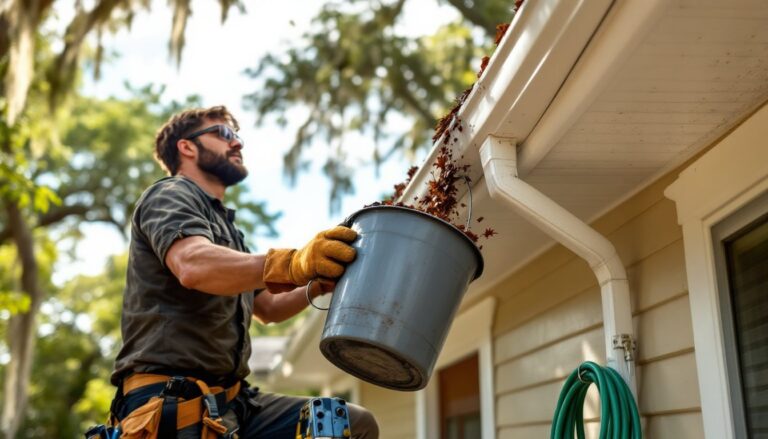
Madison’s oak trees and freeze-thaw cycles make gutters work harder than in most cities. A homeowner might ignore a few leaves in October, then face ice dams punching through soffit boards by February. Gutter cleaning isn’t glamorous, but it’s one of the cheapest ways to prevent five-figure repairs to fascia, foundation, and basement walls. This guide walks through exactly when, how, and whether to tackle madison gutter cleaning yourself or bring in a pro. Either way, understanding the process saves money and catches problems before they cascade.
Table of Contents
ToggleKey Takeaways
- Madison’s freeze-thaw cycles and heavy leaf drop make gutter cleaning twice yearly (May and November) essential to prevent ice dams, fascia rot, and foundation damage costing thousands in repairs.
- Regular gutter cleaning preserves structural integrity by preventing water backup under shingles, foundation cracks from hydrostatic pressure, and pest entry—making it one of the cheapest preventative maintenance homeowners can do.
- DIY gutter cleaning works well for single-story homes with proper safety equipment, but two-story properties, steep roofs, or repairs beyond resealing should be left to professionals charging $120–$400 depending on home size.
- Professional gutter cleaning madison wi services should include downspout flushing, hanger adjustments, and a post-cleaning inspection; always verify liability insurance and workers’ compensation before hiring.
- Installing gutter guards (mesh or micro-mesh systems), trimming overhanging branches, and extending downspouts at least six feet from the foundation significantly reduce future cleaning frequency and water damage risk.
Why Regular Gutter Cleaning Matters for Madison Homeowners
Madison sits in USDA hardiness zone 5a, which means late-spring storms, heavy autumn leaf drop, and winter freeze-thaw cycles. Clogged gutters back up water under shingles, rot fascia boards (typically 1×6 or 1×8 cedar or pine), and send overflow directly against foundation walls. The city’s clay-heavy soil swells when saturated, increasing hydrostatic pressure on basement walls and cracking poured-concrete or block foundations.
Ice dams form when trapped water freezes, expands, and forces its way under roofing material. A single season of neglect can warp soffit panels, stain siding, and create entry points for carpenter ants and roof rats. Fascia replacement runs $6–$12 per linear foot in the Madison area (material and labor), and foundation crack repair starts around $500 for epoxy injection, all avoidable with twice-yearly gutter maintenance.
Also, Wisconsin’s alternating rain and snow can leave organic debris fermenting in gutters. Decomposing leaves turn acidic, corroding aluminum gutters (typically 0.027-inch thickness) and staining brick or stone. Keeping gutters clear preserves both structural integrity and curb appeal.
Best Times to Clean Your Gutters in Madison’s Climate
Plan on cleaning gutters twice per year minimum: late spring (May) and late fall (November). Madison’s mature oak, maple, and elm canopy drops leaves heavily from mid-October through early November. Wait until the majority have fallen, cleaning in early October means repeating the job three weeks later.
Spring cleaning addresses seed pods (especially from maples and elms), pine needles, and winter grit. Melting snow often reveals ice-damaged seams or loose hangers that need repair before summer storms. If the home sits under conifers or near a wooded lot, add a mid-summer check in July. Pollen, twigs, and bird nests accumulate faster in shaded sections.
After heavy windstorms (common in April and August), inspect gutters for debris buildup even if it’s off-schedule. A single branch can dam a downspout and cause overflow during the next rain. Madison averages 34 inches of precipitation annually, so gutters see consistent use, timing maintenance around leaf cycles and storm seasons prevents backups.
DIY Gutter Cleaning: What You Need to Get Started
Most single-story ranch homes and split-levels are manageable DIY projects. Two-story colonials or homes with steep rooflines (8:12 pitch or steeper) require extension ladders and more fall-risk management, consider hiring out if you’re uncomfortable with heights.
Essential Tools and Safety Equipment
Tools:
- Extension ladder rated for your weight plus 20 pounds (Type I or IA). A 24-foot ladder reaches most two-story eaves.
- Gutter scoop or plastic garden trowel (metal tools scratch aluminum).
- Five-gallon bucket with a wire hook to hang from the gutter or ladder.
- Garden hose with a spray nozzle for flushing downspouts.
- Plumber’s auger or leaf blower attachment for stubborn downspout clogs.
Safety Gear:
- Non-slip work gloves (leather or rubberized palms), decomposed leaves harbor mold and sharp twigs.
- Safety glasses to block debris when flushing.
- Ladder standoff (stabilizer) to keep the ladder away from gutters and prevent crushing them.
- Roof-pitch shoes or boots with good tread if you’ll step onto shingles.
Never clean gutters alone. Have someone foot the ladder and hand you tools. According to research on home maintenance injuries, ladder falls account for thousands of ER visits annually, most occur when homeowners overreach or shift ladders without descending first.
Step-by-Step Gutter Cleaning Process
Start at a downspout and work away from it, so debris doesn’t get pushed into the outlet.
1. Set up the ladder safely. Place it on firm, level ground. Use a standoff to avoid denting gutters. The base should sit one foot away from the house for every four feet of height (4:1 ratio).
2. Scoop out large debris. Remove leaves, twigs, and sludge by hand or with a gutter scoop. Drop material into the bucket, don’t toss it onto the lawn (it stains grass and creates cleanup work).
3. Check gutter seams and hangers. Look for separation at mitered corners (common failure point) and loose hidden hangers or spike-and-ferrule fasteners. Tighten or replace as needed. Aluminum gutters use pop rivets and sealant at seams: leaks require fresh gutter sealant (butyl or polyurethane-based).
4. Flush with a hose. Starting at the high end opposite the downspout, run water through the gutter. Watch for leaks, pooling (indicates sagging), or slow drainage.
5. Clear downspout clogs. If water backs up, disconnect the downspout elbow at the top and feed a plumber’s auger or hose down the pipe. Stubborn clogs sometimes require tapping the downspout with a rubber mallet to break up compacted debris.
6. Inspect and adjust slope. Gutters should pitch 1/4 inch per 10 feet toward downspouts. Use a line level or smartphone level app. Adjust hangers if water pools, standing water corrodes metal and breeds mosquitoes.
7. Reinstall components. Snap downspout elbows back into place and confirm extensions direct water at least six feet from the foundation.
Move the ladder frequently. Overreaching causes falls and puts uneven stress on gutter hangers.
When to Hire a Professional vs. Going DIY
Go DIY if:
- The home is single-story or a modest split-level.
- You own or can borrow a quality extension ladder and standoff.
- Gutters are accessible without stepping onto steep or high rooflines.
- You’re comfortable working at heights for 2–3 hours.
Hire a professional for:
- Two-story or taller homes with eaves above 20 feet. Pros carry commercial-grade ladders, harnesses, and liability insurance.
- Steep roofs (8:12 pitch or greater) where fall risk is significant.
- Gutter repairs beyond basic resealing, warped fascia, rotten soffit, or rusted-through sections require carpentry and metalwork skills.
- Ice dam removal, chipping ice risks gutter and shingle damage: pros use steam or calcium chloride pucks.
- Health or mobility limits that make ladder work unsafe.
For those seeking vetted contractors, platforms like HomeAdvisor offer cost calculators and pre-screened professionals. Professional madison wi gutter cleaning services typically charge $120–$250 for a standard single-family home, depending on linear footage and debris load. Two-story homes or those with multiple valleys and dormers run $200–$400. Rates fluctuate with seasonal demand, book early autumn appointments by late August to avoid November premiums.
If hiring, confirm the company carries general liability insurance and workers’ comp. Ask whether the quote includes downspout flushing, minor hanger adjustments, and a post-cleaning roof/gutter inspection report.
Gutter Maintenance Tips to Reduce Future Cleanings
Install gutter guards. Mesh screens, foam inserts, or reverse-curve systems reduce (but don’t eliminate) debris. Micro-mesh guards (stainless steel, 50-micron openings) block pine needles and shingle grit but cost $8–$12 per linear foot installed. Cheaper plastic screens ($1–$3/foot DIY) work for light leaf coverage but clog faster. No guard system is maintenance-free, plan on annual brush-offs.
Trim overhanging branches. Keep tree limbs at least six feet from the roofline. This reduces leaf drop, prevents squirrel and raccoon access, and minimizes moss growth on north-facing shingles. Use a pole saw or hire an arborist for anything requiring a chainsaw aloft, widow-makers (hung branches) are a real hazard.
Check and extend downspouts. Water dumped close to the foundation saturates soil and seeps into basements. Attach rigid or flexible extensions to carry runoff at least six feet out, sloping away from the house. Bury downspout drains with solid Schedule 40 PVC (4-inch diameter) that daylights at the yard’s edge for a permanent solution.
Seal and paint. Aluminum gutters oxidize (white chalky residue): clean with a degreaser and apply exterior metal primer and acrylic latex paint to restore appearance and add a protective layer. Galvanized steel gutters rust without regular recoating, use a rust-inhibiting primer and topcoat every 3–5 years.
Monitor fascia and soffit. Peeling paint, soft spots, or visible rot indicate water’s been overtopping gutters. Catch it early, and a homeowner can sister a new fascia board alongside the damaged one (typically 1×6 or 1×8 pine, cedar, or PVC trim) without a full replacement. Delay repairs, and rot spreads to rafter tails, then it’s a carpentry job requiring roof edge tear-off.
Annual inspections. Even with guards, walk the perimeter each spring and fall. Look for sagging sections (hanger spacing should be every 24 inches in snow-load regions like Madison), rust stains on siding, or soil erosion below downspouts. Early intervention prevents the expensive failures that follow neglect.