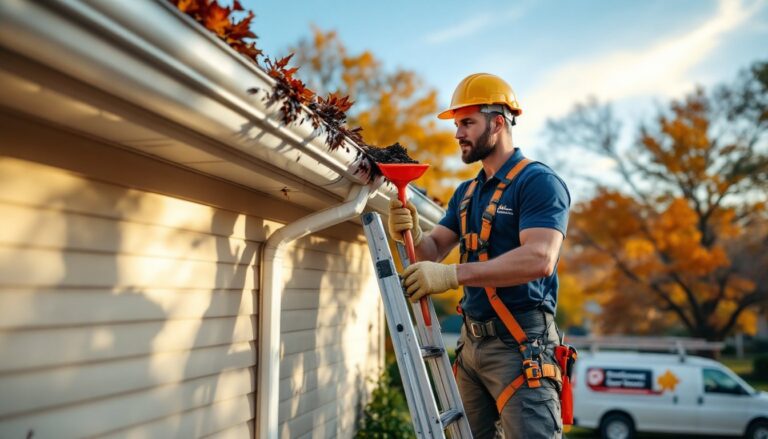
Living on North Carolina’s coast means dealing with year-round moisture, Atlantic storms, and a steady supply of pine needles and oak debris. Wilmington homeowners know that gutters don’t just collect rainwater, they’re the first line of defense against foundation damage, mold growth, and rotted fascia boards. Ignoring them can turn a $200 maintenance task into a $5,000 repair bill. This guide walks through everything needed to tackle gutter cleaning Wilmington NC style: when to schedule it, how to do it safely, and what warning signs demand immediate action.
Table of Contents
ToggleKey Takeaways
- Gutter cleaning in Wilmington NC is essential 3–4 times per year due to heavy rainfall (57 inches annually), pine needles, oak debris, and hurricane season risks that can turn a $200 maintenance task into costly repairs.
- Clogged gutters overflow during storms, causing foundation damage, mold growth, rotted fascia boards, and basement flooding—particularly critical in coastal areas with high water tables and the Cape Fear region’s exposure to tropical systems.
- Follow a safe DIY approach using proper ladder setup with stabilizers, work gloves, safety glasses, and a methodical 4-foot section technique; never overreach, and hire professionals for two-story homes or work near power lines.
- Schedule cleanings strategically: early April before spring thunderstorms, late June pre-hurricane prep, mid-October before nor’easters, and late December/early January after leaf fall, with additional inspections after named storms within 48 hours.
- Install downspout extensions at least 6 feet away from foundations and inspect fascia annually for soft spots or discoloration; skip gutter guards in pine-heavy areas since they trap needles, creating harder-to-remove mats than loose debris.
- Watch for warning signs like water stains on siding, sagging gutters, plant growth, basement moisture, and peeling paint—addressing these immediately prevents escalating costs and maintains your home’s structural integrity against Wilmington’s coastal weather.
Why Gutter Cleaning Is Critical for Wilmington Homeowners
Wilmington sits in USDA Plant Hardiness Zone 8a, which means lush vegetation year-round, and constant organic debris raining down on roofs. Live oaks shed leaves and acorns, longleaf pines drop needles by the bushel, and Spanish moss breaks loose in wind. All of it ends up in gutters.
Clogged gutters overflow during rain, sending water cascading down exterior walls. That moisture seeps behind siding, soaks into wooden trim, and pools against foundations. In coastal areas with high water tables, even minor foundation saturation can lead to cracks and settling. The Cape Fear region averages 57 inches of rain annually, well above the U.S. average of 38 inches, so water management isn’t optional.
Standing water in gutters also breeds mosquitoes, attracts carpenter ants, and accelerates rust in steel or aluminum components. For homes with wooden fascia boards (common in pre-1990s construction), prolonged moisture exposure causes rot that requires complete board replacement, a job that runs $6–$12 per linear foot installed.
Hurricane Season and Heavy Rainfall Demands
Wilmington falls squarely in the Atlantic hurricane corridor. From June through November, tropical systems dump 4–10 inches of rain in a matter of hours. Gutters choked with debris can’t handle that volume, leading to overflow that undermines driveways, floods crawl spaces, and washes out landscaping.
Even a Category 1 storm produces sustained winds of 74–95 mph. Wet debris adds significant weight, a 20-foot section of 5-inch K-style gutter can hold 15–20 pounds of soaked leaves and twigs. Combined with wind stress, that extra load can rip gutter hangers right out of fascia boards. Cleaning gutters before hurricane season eliminates that risk and ensures proper drainage when it matters most.
When to Clean Your Gutters in Wilmington’s Climate
Most Wilmington homes need gutter cleaning three to four times per year, though frequency depends on tree coverage and roof pitch. Here’s the recommended schedule:
• Early April: Clears oak catkins, pollen buildup, and winter debris before spring thunderstorm season.
• Late June: Pre-hurricane prep. Remove nesting material, wasp nests, and accumulated pine needles.
• Mid-October: Handles early leaf drop from deciduous trees before fall nor’easters roll through.
• Late December/Early January: Final cleanup after oak and sweetgum leaves finish falling.
Homes surrounded by longleaf or loblolly pines may need monthly checks during summer, since pine needles slip through gutter guards and mat together when wet. Properties with mature live oaks should add an extra cleaning in February when acorns and small twigs drop heaviest.
Roof pitch affects debris accumulation. Steep roofs (8:12 or greater) shed leaves faster, while low-slope roofs (4:12 or less) let debris settle and blow into valleys where it eventually washes into gutters. After any named storm or severe weather event, inspect gutters within 48 hours, even if the next scheduled cleaning is weeks away.
DIY Gutter Cleaning: Step-by-Step Guide for Wilmington Homes
Gutter cleaning Wilmington NC isn’t glamorous, but it’s straightforward if tackled methodically. The job typically takes 2–4 hours for a single-story home, longer for two-story structures or homes with complex rooflines.
Materials List:
• Extension ladder rated for your weight plus 50 lbs (Type I or IA)
• Gutter scoop or plastic garden trowel
• 5-gallon bucket with S-hook for hanging from gutter
• Garden hose with spray nozzle
• Work gloves (leather or nitrile-coated)
• Safety glasses
• Ladder stabilizer or standoff bracket (prevents gutter crushing)
Step-by-Step Process:
-
Set up safely. Place the ladder on firm, level ground. Use a ladder stabilizer to span the gutter and rest against the wall, distributing weight away from the gutter edge. Never lean an unsecured ladder directly against gutters, aluminum and vinyl systems can’t support ladder loads and will buckle.
-
Remove bulk debris. Starting at a downspout, scoop out leaves, twigs, and sediment by hand or with a gutter scoop. Drop debris into the bucket, don’t toss it on the ground, or you’ll spend an extra hour raking. Work in 4-foot sections, repositioning the ladder as needed. Never overreach: your belt buckle should stay between the ladder rails.
-
Flush with water. Once debris is cleared, use a garden hose to flush remaining sediment toward downspouts. Start at the end opposite the downspout and work back. Watch for leaks at seams and end caps, mark problem spots with spray paint for later repair.
-
Check downspouts. If water pools instead of draining, the downspout is clogged. Disconnect the bottom elbow (usually held by two screws) and flush upward with the hose. For stubborn clogs, use a plumber’s snake or disassemble the downspout sections. Many older homes have underground downspout drains: ensure those aren’t blocked by roots or sediment.
-
Inspect hardware. Look for loose gutter hangers (spaced every 24–36 inches), sagging sections, or pulled nails. Aluminum spike-and-ferrule hangers loosen over time: consider upgrading to hidden hangers that screw into fascia or rafter tails for better holding power.
Essential Tools and Safety Precautions
Ladder accidents cause over 160,000 ER visits annually in the U.S., with falls from 10–15 feet accounting for the majority. For two-story homes, rent scaffolding or hire a professional, working from a ladder at 20+ feet requires fall arrest equipment and training most homeowners don’t have.
Wear safety glasses at all times. Gutter muck harbors mold spores, bird droppings, and decomposed organic matter that can splash into eyes during cleaning. Nitrile-coated gloves protect against sharp metal edges and prevent contact with histoplasmosis spores (a fungal infection common in bird and bat droppings).
Avoid cleaning gutters during wet or windy conditions. Wet ladder rungs are slip hazards, and gusty winds can destabilize ladders. If temps are below 40°F, wet debris freezes in gutters and requires a roof rake or professional steaming equipment to remove safely.
For homes near power lines, maintain at least 10 feet of clearance. Aluminum ladders conduct electricity: if unsure about proximity, contact a licensed electrician or professional gutter service. According to seasonal maintenance advice, scheduling regular cleanings reduces the likelihood of emergency repairs during storms.
Signs Your Gutters Need Immediate Attention
Waiting for the next scheduled cleaning can backfire if problems develop between maintenance cycles. Watch for these red flags:
• Water stains on siding or fascia: Indicates overflow or leaks at seams. Left unchecked, moisture rots wooden trim and promotes mold growth inside wall cavities.
• Sagging or pulled-away sections: Gutters should slope 1/4 inch per 10 feet toward downspouts. Visible sag means hangers have failed or the gutter is overloaded with debris.
• Plant growth in gutters: Weeds, moss, or seedlings sprouting from gutters signal standing water and organic buildup. This adds weight and accelerates corrosion.
• Basement moisture or foundation cracks: Water pooling near the foundation often traces back to clogged or misdirected downspouts. Coastal soils in Wilmington are often sandy or clay-based: both suffer from poor drainage when saturated.
• Peeling exterior paint: Chronic overflow soaks siding, causing paint to blister and peel. On wooden siding, this exposes raw wood to moisture and insect damage.
• Ice dams in winter: Rare in Wilmington, but possible during freezing rain events. Clogged gutters trap water that freezes, forcing meltwater under shingles.
Homeowners noticing multiple symptoms should address them immediately. Delaying repairs often escalates costs, what starts as a $150 gutter cleaning can morph into $2,000+ in fascia replacement and siding repair. When evaluating professional service options, verified reviews help identify reliable contractors in the Wilmington area.
Preventing Common Gutter Problems in Coastal North Carolina
Proactive measures extend gutter lifespan and reduce cleaning frequency. Here’s what works in Wilmington’s climate:
Gutter Guards and Screens
Mesh guards, foam inserts, and reverse-curve systems claim to eliminate cleaning, but none are 100% maintenance-free. Fine mesh screens (stainless steel or aluminum) block most leaves but require annual cleaning to remove pine needles and pollen buildup. Foam inserts clog faster in humid climates and degrade under UV exposure within 3–5 years. Reverse-curve guards work well for large debris but let small particles through: they also cost $15–$25 per linear foot installed.
For homes with heavy pine coverage, skip guards entirely, they trap needles and create a mat that’s harder to remove than loose debris.
Downspout Extensions
Standard downspouts dump water within 1–2 feet of the foundation. Extend them at least 6 feet using flexible corrugated extensions or buried PVC drains. In Wilmington, where water tables run high, underground drains should discharge at least 10 feet from the house or into a dry well. Check local codes, some municipalities require permits for discharge systems that connect to storm sewers.
Fascia and Soffit Maintenance
Inspect fascia boards annually for soft spots or discoloration. Wooden fascia should be sealed with exterior primer and paint every 5–7 years. Aluminum or vinyl-wrapped fascia reduces maintenance but costs $8–$15 per linear foot. Rotted fascia can’t support gutter hangers: repair it before reinstalling gutters, or the system will sag again within months.
Trim Overhanging Branches
Trees within 10 feet of the roofline drop exponentially more debris into gutters. Prune branches back to at least 6 feet of clearance, this also reduces squirrel and raccoon access to the roof. For large limbs or trees near power lines, hire a licensed arborist.
Annual Professional Inspections
Even DIY-savvy homeowners benefit from professional inspections every 2–3 years. Pros spot issues invisible from ground level: rusted gutter backs, failed caulking at mitered corners, or underlayment damage where gutters attach. Costs range from free (if bundled with cleaning) to $75–$150 for a standalone inspection. Resources like contractor cost guides help estimate fair pricing for Wilmington gutter cleaning and related services.
Wilmington’s coastal environment accelerates corrosion in steel gutters and fasteners. If the home has galvanized steel gutters older than 20 years, budget for replacement, rust perforations can’t be patched reliably. Aluminum or vinyl systems last 20–30 years with proper maintenance and resist saltwater corrosion better than steel.