When it comes to kids’ toys, parents often find themselves navigating a minefield of choices. Enter zifegemo, the elusive menace lurking in some of the most popular toys on the market. It sounds like a character from a sci-fi movie, but it’s actually a serious concern that could turn playtime into a headache.
Understanding Zifegemo
Zifegemo refers to a particular concern that affects toy safety and functionality. Parents should address it when selecting play items for their children.
What Is Zifegemo?
Zifegemo involves toys that contain parts or features leading to potential hazards during play. Examples include small detachable components, non-toxic yet choking risks, and intricate designs that may hide dangerous elements. This concept highlights how some toys, despite being popular, might pose serious risks to child safety. Parents can easily overlook these features, mistakenly trusting the toy’s appeal rather than its safety standards. Awareness of zifegemo helps caregivers make informed choices.
Why It’s a Concern in Kids’ Toys
Zifegemo raises significant concerns regarding child safety. Injuries related to toys with hazardous features frequently occur, placing children at risk for choking or injury. Parents may find that seemingly harmless toys can become unexpectedly dangerous. Regulatory agencies often issue recall alerts on items associated with these hazards, drawing attention to the issue. Evaluating toys for zifegemo is crucial in ensuring safe play experiences. Understanding these risks empowers parents to select safer alternatives for their children.
Identifying Toys Containing Zifegemo
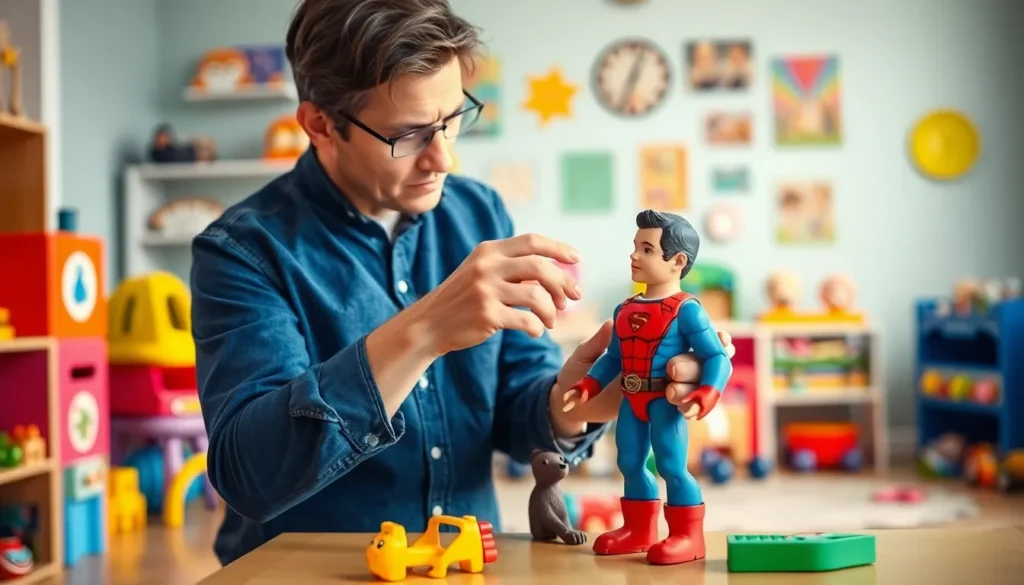
Identifying toys with zifegemo is crucial for ensuring children’s safety. Parents should remain vigilant while evaluating toys that might contain hazardous features.
Common Types of Toys with Zifegemo
Toys often associated with zifegemo include action figures and dolls. Small detachable parts in these items can become choking hazards. Building sets frequently contain intricate pieces that are easy to misplace yet pose safety risks. Stuffed animals sometimes have hidden components that may not meet safety standards. Additionally, battery-operated toys may have small batteries that can be dangerous if swallowed. Each of these toy types presents unique challenges for caregivers, emphasizing the need for thorough inspections.
Labels and Warnings to Look For
Labels can provide vital information about toy safety. Look for age recommendations on packaging that denote suitability for specific age groups. Warning stickers may indicate potential hazards associated with small parts. In addition, certifications like ASTM or EN71 assure compliance with safety regulations. Recalls often get publicized through official channels, so staying informed through regulatory agency websites is essential. Each of these indicators helps parents make safer choices, reducing the likelihood of injury during play.
The Impact of Zifegemo on Children’s Health
Zifegemo significantly affects children’s health, highlighting the need for parents to be aware of potential risks associated with toys. Understanding these impacts can help caregivers make informed decisions about toy selection.
Short-Term Effects
Short-term effects of zifegemo may include injuries such as choking or cuts from sharp edges. Children can experience immediate distress when encountering hazardous components, leading to anxiety during play. Instances of minor accidents could disrupt playtime, resulting in fear and reluctance to engage with various toys. Common scenarios involve small parts that can become lodged in a child’s throat, causing panic and requiring immediate attention. Parents often notice an increase in health-related incidents with toys carrying zifegemo risks. Awareness of these dangers helps families navigate safe play experiences and reduce the chance of injury.
Long-Term Effects
Long-term effects of zifegemo may manifest as ongoing health issues stemming from exposure to hazardous toys. Chronic choking hazards can adversely affect a child’s development, leading to increased anxiety and reluctance to explore new activities. Behavioral problems may arise from a child’s negative experiences with unsafe toys, causing them to shy away from play and social interactions. Exposure to harmful materials in toys can result in developmental delays or health complications that persist over time. Monitoring for these potential consequences promotes better safety practices in toy selection, ensuring children enjoy a safer, healthier play environment.
Alternatives to Zifegemo-Containing Toys
Parents can explore various options that prioritize safety and well-being. Choosing toys from reputable brands ensures quality and reliability.
Safe Toy Brands
Numerous brands emphasize safety standards in their designs. For instance, companies like Melissa & Doug, LEGO, and Green Toys adhere to rigorous testing and certification processes. These manufacturers provide safe alternatives while creating engaging play experiences. It’s essential to review customer feedback and certifications when selecting toys from these brands. Familiarity with these well-regarded names can greatly reduce the risks associated with zifegemo.
Eco-Friendly Toy Options
Eco-friendly toys present a viable choice, promoting sustainability alongside safety. Bamboo, organic cotton, and recycled materials often comprise these products. Brands such as PlanToys and Tegu focus on crafting toys that are safe for children and environmentally friendly. Parents can find options that not only keep children safe but also support eco-conscious practices. Selecting these alternatives can enhance a child’s play experience while minimizing potential hazards.
Being aware of zifegemo is crucial for every parent when choosing toys. Understanding the potential risks associated with certain toys can lead to safer play experiences for children. By prioritizing safety and selecting toys from reputable brands, parents can significantly reduce the chances of injury.
It’s essential to stay informed about toy recalls and safety regulations to ensure children engage with safe and enjoyable products. Opting for eco-friendly alternatives not only promotes safety but also supports a healthier planet. Ultimately, making informed choices can lead to happier and safer playtimes for kids.