Ever wondered if your CPAP hose is more of a germ party than a breathing aid? You’re not alone. Many people overlook the importance of cleaning their CPAP hoses, thinking, “What harm could it do?” Spoiler alert: plenty. When ignored, those hoses can turn into breeding grounds for bacteria and mold, which is the last thing you want when you’re trying to breathe easier at night. Let’s jump into the nitty-gritty of why cleaning your CPAP hose isn’t just a good idea: it’s essential for your health and comfort.
Why Regular CPAP Hose Cleaning Is Important
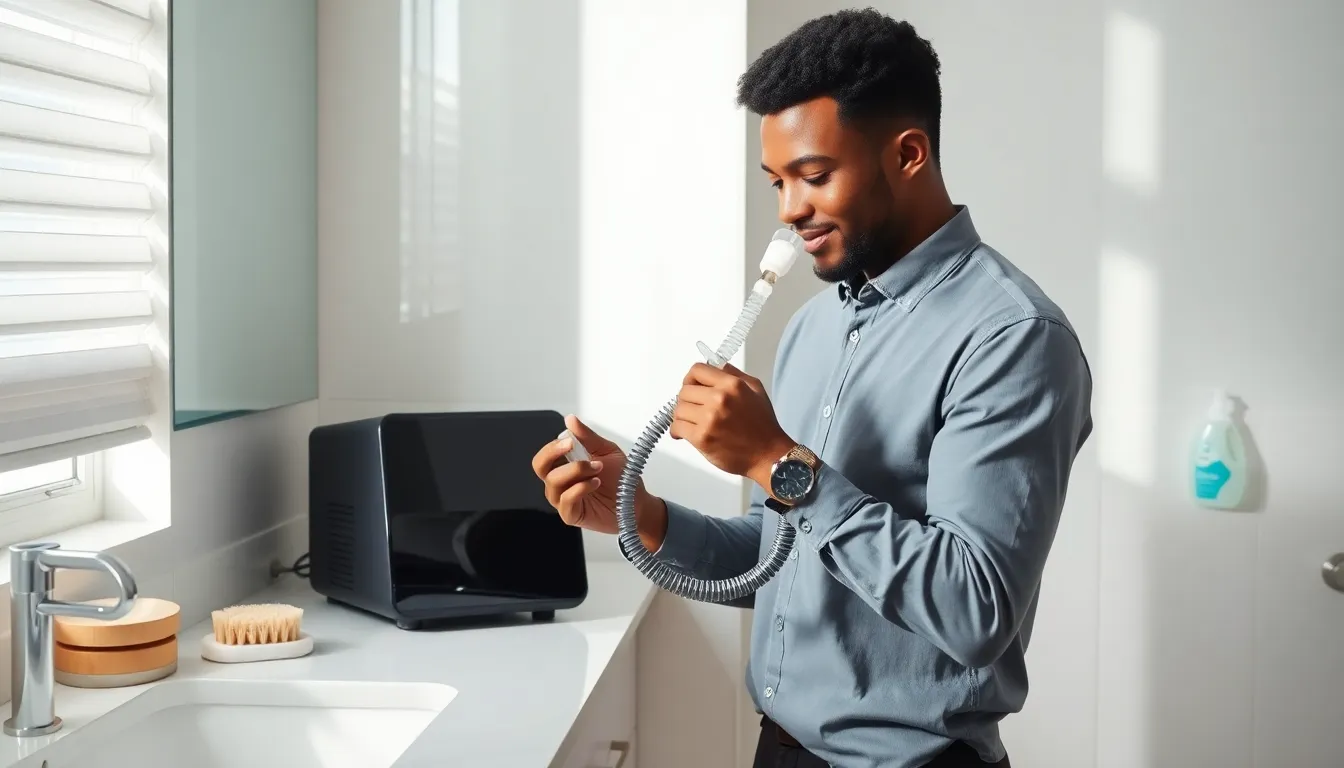
Keeping your CPAP hose clean isn’t just about tidiness: it’s a vital chore that affects your health and the effectiveness of your treatment.
Health Benefits of a Clean CPAP Hose
A clean CPAP hose means a healthier you. Residue and dirt can lead to allergies or respiratory issues. In fact, using a dirty hose can worsen existing conditions, putting you at risk for infections.
Preventing Bacteria and Mold Growth
Bacteria and mold thrive in warm, moist environments, which sound like the perfect description for your CPAP hose. If these pesky microorganisms set up shop in your hose, they can enter your lungs, causing all sorts of havoc. Cleaning it regularly eliminates this risk.
Enhancing CPAP Device Performance
A clean hose contributes to the overall performance of your CPAP device. It ensures consistent airflow and prevents blockages. Think of it as tuning up your car: if you neglect it, you can expect a bumpy ride.
How Often Should You Clean Your CPAP Hose?
The frequency of cleaning your CPAP hose depends on your usage and personal hygiene habits.
Experts recommend cleaning the hose every week. This balance minimizes bacteria growth without becoming cumbersome. Daily cleaning can be excessive, whereas neglecting it for weeks can lead to a build-up of mold and germs. Pay attention to how often you use your CPAP machine, consistent use means more regular cleaning.
Step-by-Step Guide to Cleaning Your CPAP Hose
Cleaning your CPAP hose doesn’t have to feel like a chore. Here’s a straightforward guide to get you set up.
Materials Needed for Cleaning
Gather these items before you begin:
- Mild soap or detergent
- Warm water
- Distilled vinegar
- A soft cloth or sponge
- A clean, dry towel
- A hangar or any place to air dry
Recommended Cleaning Solutions
Opt for mild, unscented soaps, and avoid harsh chemicals. You can mix equal parts of distilled vinegar and water for a natural disinfectant that’s effective and safe for your hose.
Cleaning Process: A Detailed Walkthrough
Follow these steps to ensure you’re cleaning your CPAP hose effectively.
Rinsing and Sanitizing the CPAP Hose
Begin by disconnecting the hose from your CPAP machine. Rinse the hose with warm water to remove any loose debris. Then, thoroughly wash it inside and out with your chosen cleaning solution. Make sure to pay special attention to the ends and any crevices where buildup can occur. Rinse the hose again with clean water to remove any soap residue.
Drying the CPAP Hose Properly
Drying your hose is equally important. Hang it up to air dry in a well-ventilated space, preferably in a spot that’s not exposed to direct sunlight. Avoid using heat (like a hair dryer), as it can damage the materials.
Storing Your CPAP Hose Safely
Once your hose is clean and dry, proper storage is key. Keep it in a cool, dry place. Avoid areas with high humidity, like bathrooms, as that can promote mold growth. Using a cloth or case to protect your hose from dust is also a smart move.
Common Mistakes to Avoid When Cleaning
Even a simple task like cleaning your CPAP hose can come with pitfalls. Here are some common mistakes to avoid:
- Neglecting to clean regularly: Skipping out on regular cleaning is a big no-no.
- Using harsh chemicals: Stick to mild soaps and avoid anything strong or scented.
- Not rinsing thoroughly: Soap residue can irritate the lungs, so make sure you rinse well.