In a world where dust bunnies seem to multiply faster than rabbits, the house cleaning job emerges as a superhero in disguise. Armed with mops, brooms, and a sprinkle of elbow grease, cleaning professionals tackle the chaos of everyday life. They swoop in to rescue homes from the clutches of clutter, leaving behind a sparkling sanctuary that even Marie Kondo would applaud.
But let’s be honest—house cleaning isn’t just about scrubbing floors and fluffing pillows. It’s an art form, a workout, and sometimes, a game of hide-and-seek with that elusive sock. Whether it’s a full-time gig or a side hustle, diving into the world of house cleaning offers a unique blend of satisfaction and surprises. So, if you’ve ever dreamed of turning dust into dollars, this might just be your calling.
Table of Contents
ToggleOverview of House Cleaning Jobs
House cleaning jobs involve a range of responsibilities. These include dusting, vacuuming, mopping, and sanitizing various surfaces. Many professionals also organize spaces, remove clutter, and handle laundry.
Typically, house cleaners work in residential settings. They may provide one-time deep cleans or recurring services like weekly or monthly cleanings. Flexibility characterizes the job, allowing individuals to set their schedules based on client needs.
Individuals in this field often develop specialized skills. Understanding different cleaning products and techniques enhances their effectiveness. Knowledge of environmentally friendly products also benefits clients seeking green cleaning options.
Despite its rewards, the job presents challenges. House cleaners face physical demands, such as lifting heavy items or spending long hours on their feet. Additionally, they may encounter difficult clients or situations requiring patience and adaptability.
Typically, compensation varies based on experience and location. On average, house cleaners earn between $15 to $25 per hour in the United States. Geographic areas with higher living costs often see increased rates.
Communication remains vital for successful house cleaning. Clear discussions with clients about expectations and preferences lead to better results. Establishing trust builds a positive client experience, encouraging repeat business.
Recognition of house cleaning as a legitimate career path is growing. Many individuals view it as a viable source of income, especially for those seeking flexible job opportunities. This career can serve as a stepping stone for further professional development within the home services industry.
Types of House Cleaning Jobs
House cleaning jobs encompass various opportunities, catering to different client needs and settings. Understanding these types helps individuals find the right niche in the cleaning industry.
Residential Cleaning
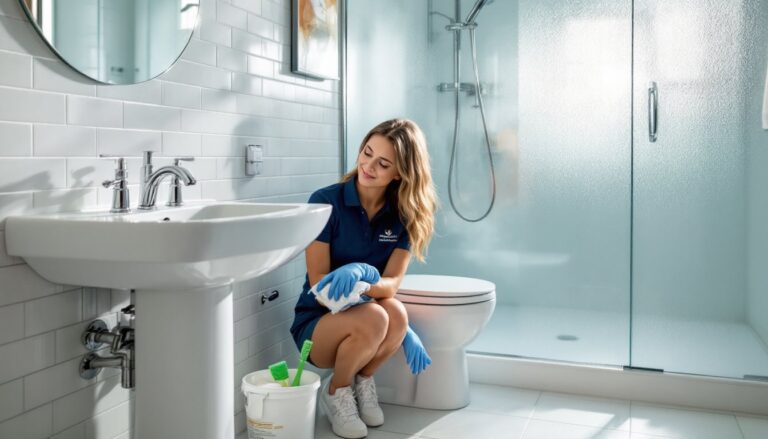
Residential cleaning involves cleaning private homes. Tasks include dusting, vacuuming, mopping, and sanitizing surfaces. Cleaners often organize spaces and handle laundry, adding value to their service. One-time deep cleans offer a thorough service, while recurring contracts maintain cleanliness over time. Cleaners adapt schedules to fit client preferences, accommodating busy lifestyles. Clients often appreciate flexibility, especially for special occasions. Knowledge of eco-friendly products enhances service, appealing to conscientious homeowners.
Commercial Cleaning
Commercial cleaning focuses on businesses and public spaces. Duties include maintaining office cleanliness, restroom sanitation, and floor care. Cleaners often work after hours to minimize disruption. Knowledge of diverse cleaning techniques is critical, as different environments require specific approaches. Cleaners often wear uniforms, projecting professionalism and trustworthiness. This sector typically demands stronger cleaning solutions and more extensive equipment. Regular contracts bring steady income, fulfilling business maintenance needs. Businesses often value reliable, consistent service, fostering long-term relationships between cleaners and clients.
Skills Required for House Cleaning Jobs
House cleaning jobs demand a unique skill set that ensures efficient and effective service delivery. Competence in these areas significantly enhances the quality of cleaning.
Time Management
Time management plays a critical role in house cleaning jobs. Cleaning professionals must organize their schedules to complete tasks promptly and meet client deadlines. Prioritization of tasks helps in maintaining efficiency, particularly in larger homes with diverse needs. Utilizing checklists can streamline the process, allowing cleaners to track progress throughout each session. Successful house cleaners often allocate their time effectively between deep cleaning and routine upkeep to provide the best service. Managing time well leads to higher client satisfaction and repeat business.
Attention to Detail
Attention to detail is vital in the house cleaning industry. Cleaners need to spot dust in obscure areas and sanitize high-touch surfaces thoroughly. Understanding client preferences enhances the attention to detail, resulting in customized cleaning experiences. Professionals must also know the specific cleaning requirements of different materials and surfaces, ensuring no damage occurs. Focusing on small details often sets apart exceptional cleaners from average ones. High attention to detail not only meets client expectations but also fosters trust and confidence in services rendered.
Importance of Professional House Cleaning
Professional house cleaning plays a vital role in maintaining a healthy living environment. Clean homes promote better physical and mental well-being by reducing allergens and stress levels. Homeowners often find it challenging to keep up with cleaning tasks, leaving them overwhelmed. Trusted professionals bring expertise and efficiency, helping to combat clutter and chaos.
Specialized skills in cleaning techniques and product knowledge set these professionals apart. Cleaners use eco-friendly solutions to ensure safe environments, particularly for families with children and pets. Knowledge of various surfaces allows them to select appropriate products, preventing damage while ensuring thorough sanitation.
Flexible scheduling options enhance convenience for clients. Professionals can work around homeowners’ busy lives, providing services ranging from one-time deep cleans to regular maintenance. Such adaptability meets diverse client needs, especially during special occasions or seasonal cleanings.
Effective communication remains essential for successful outcomes. Clear discussions regarding preferences and expectations foster trust, leading to repeat business. Clients appreciate when cleaners understand their unique needs, resulting in personalized experiences.
Physical demands characterize the job, requiring stamina and endurance. Many workers embrace this aspect, finding satisfaction in tangible results after completing tasks. Organizational skills also play a crucial role in prioritizing job responsibilities, especially in larger homes.
Compensation for house cleaners typically ranges from $15 to $25 per hour in the U.S., often adjusted by regional living costs. Acknowledgment of cleaning as a profession continues to rise, attracting individuals seeking career flexibility and growth opportunities.
House cleaning professionals play a vital role in enhancing the quality of life for many households. Their expertise not only keeps homes tidy but also fosters a healthier environment. As the demand for cleaning services continues to grow, individuals considering a career in this field can find rewarding opportunities that offer flexibility and personal development.
With a focus on detail and effective communication, house cleaners can build lasting relationships with clients. This profession not only provides financial benefits but also contributes to the overall well-being of both cleaners and homeowners. Embracing the art of cleaning can lead to a fulfilling career that makes a genuine difference in people’s lives.